
Where do the bones come from?
This is one of the most common and important questions we are asked at
The Bone Museum. The answer is complex, rooted in medical history, ethics, law, and the realities of how human remains were used for education for centuries.
The Bone Museum specializes in the history of the medical bone trade, with a primary focus on what is often referred to as the modern medical bone trade, spanning roughly 1870 to 1985. This was a period when the use of real human bones was not only common, but required in medical education worldwide.
A Brief History of the Medical Bone Trade
Early Origins: 16th–18th Century England
The story of the medical bone trade begins in England. In the 16th and 17th centuries, there were no formal systems in place to supply bodies for medical education. Anatomical study relied heavily on the work of so‑called resurrectionists, individuals or groups hired by medical schools, hospitals, or even medical students themselves to exhume bodies from cemeteries for dissection.
As medical science expanded, this practice became increasingly controversial. Public outrage grew, and governments began searching for legal alternatives.
In 1752, Parliament passed the Murder Act, which stated that individuals executed for murder would forfeit their right to burial. Instead, their bodies were to be given to medical institutions for anatomical study. While this reduced grave robbing to some extent, it was far from sufficient.
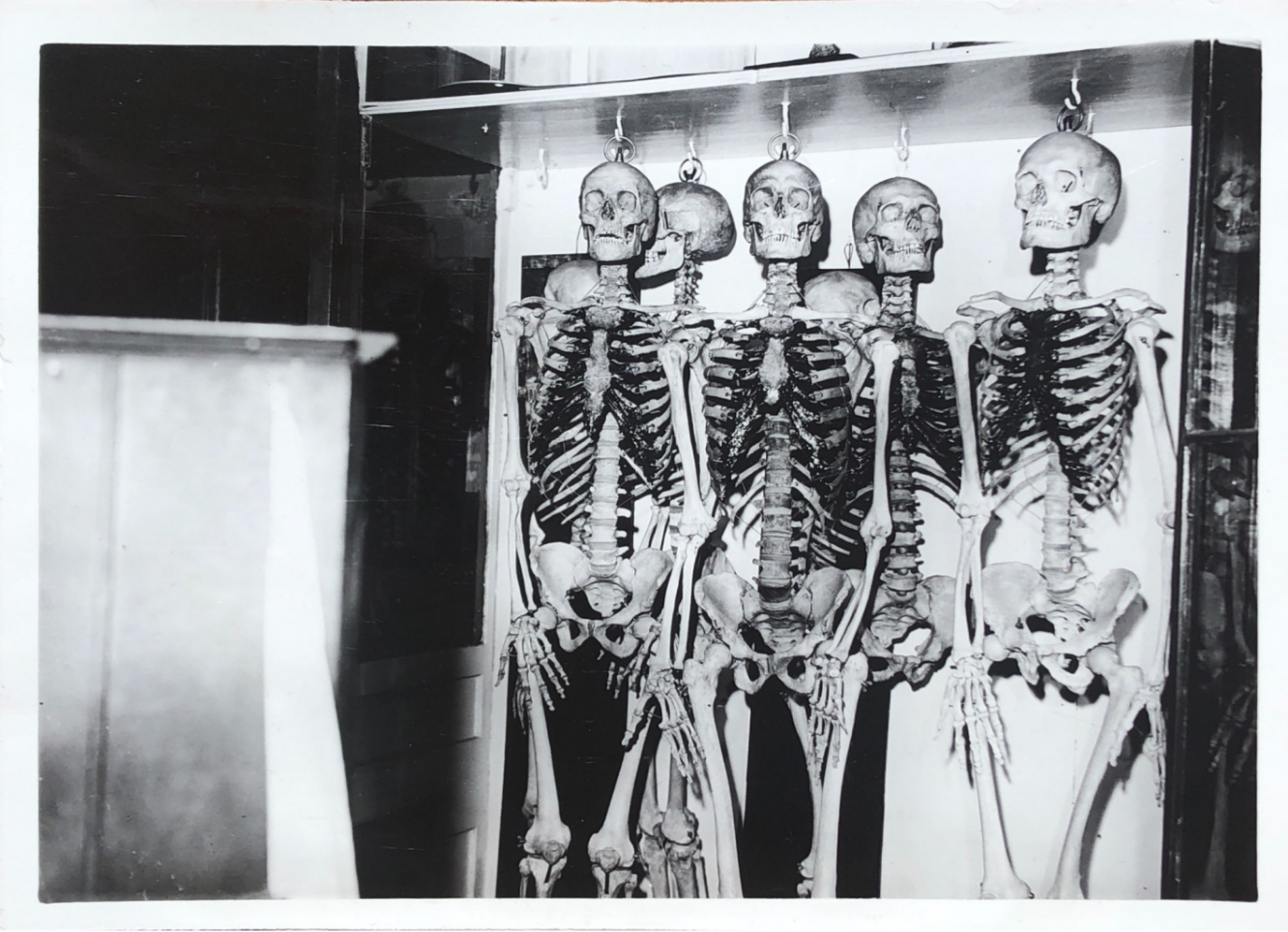
The Rise of Osteological Supply Companies
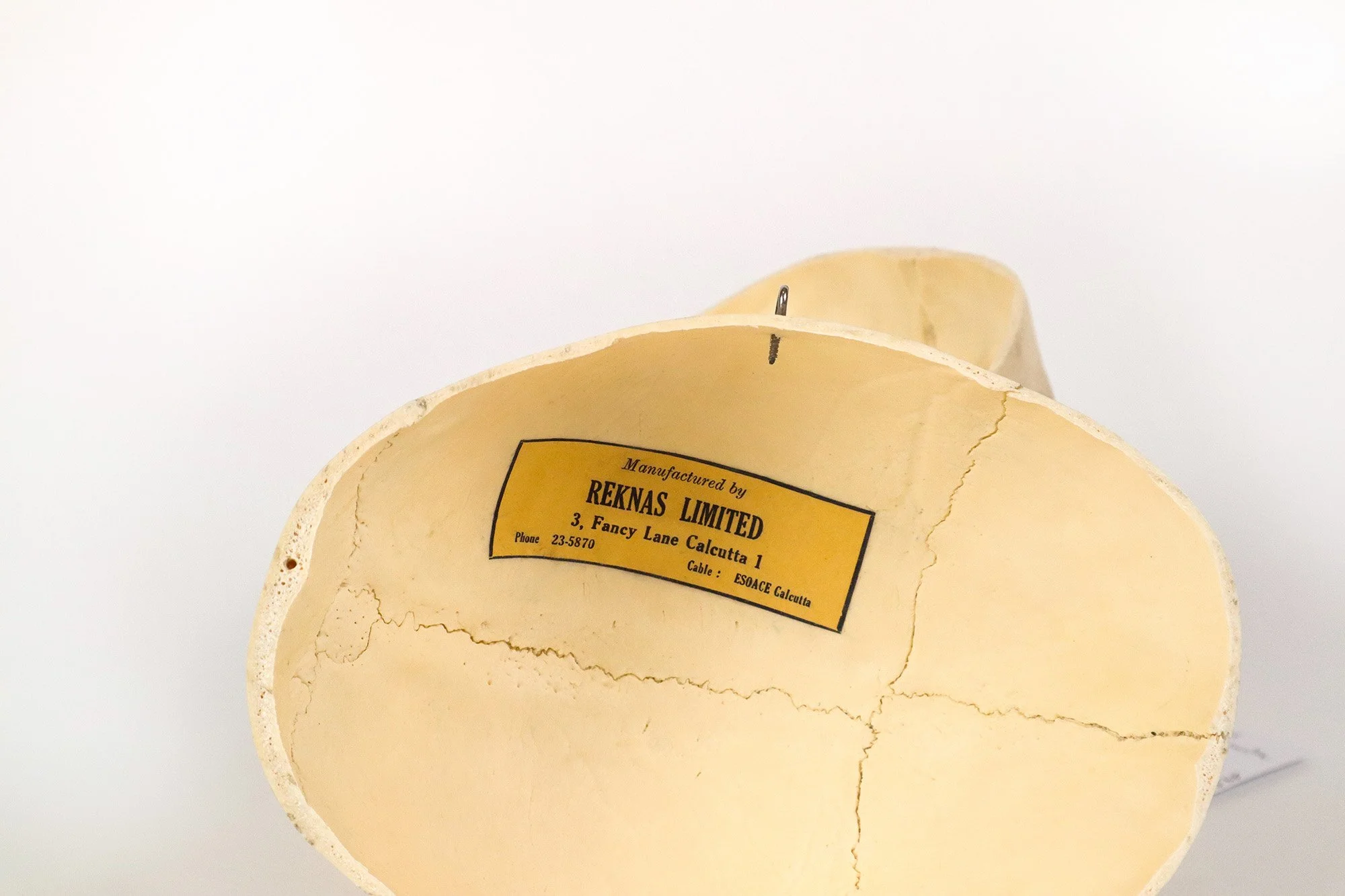
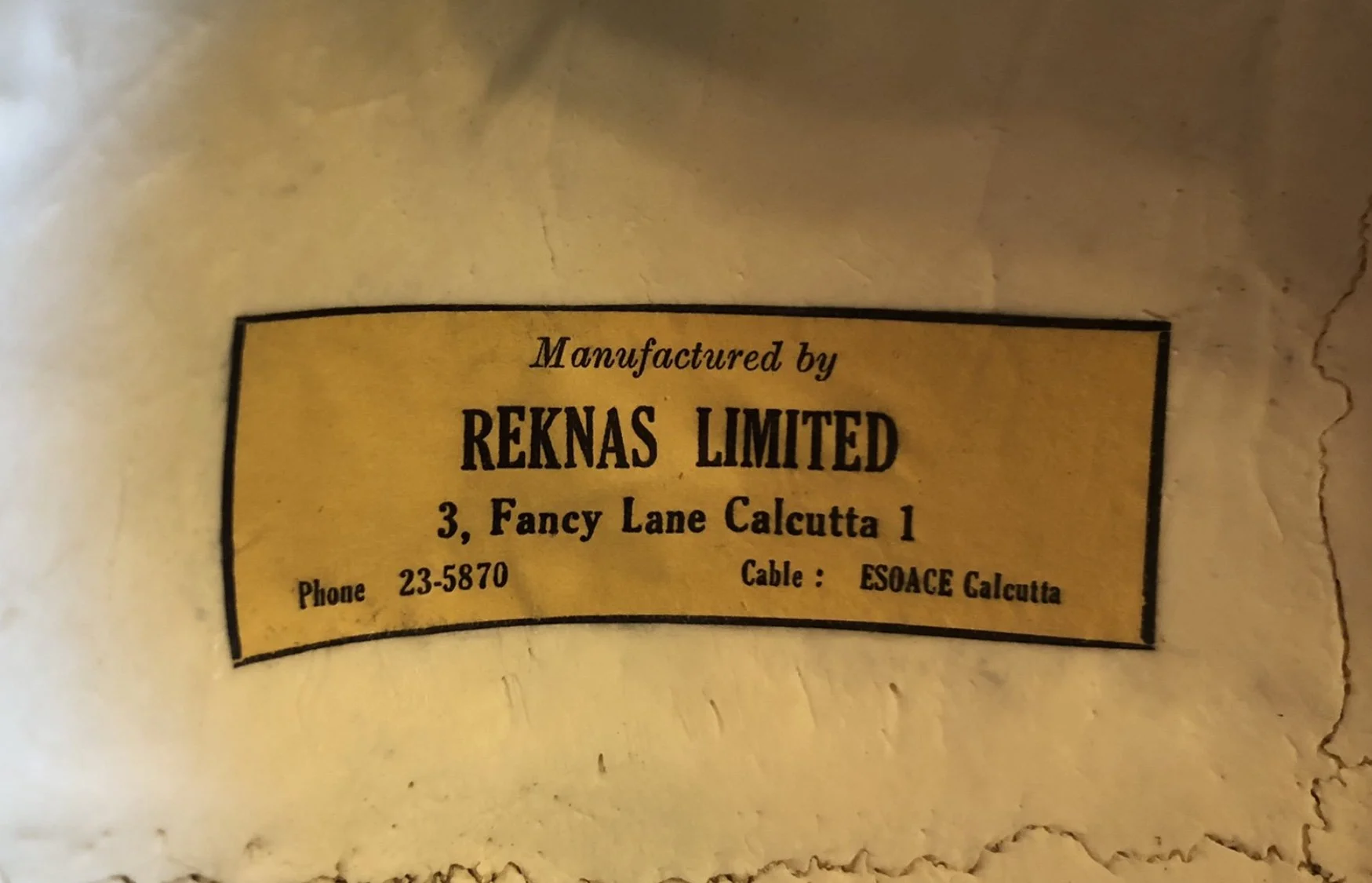
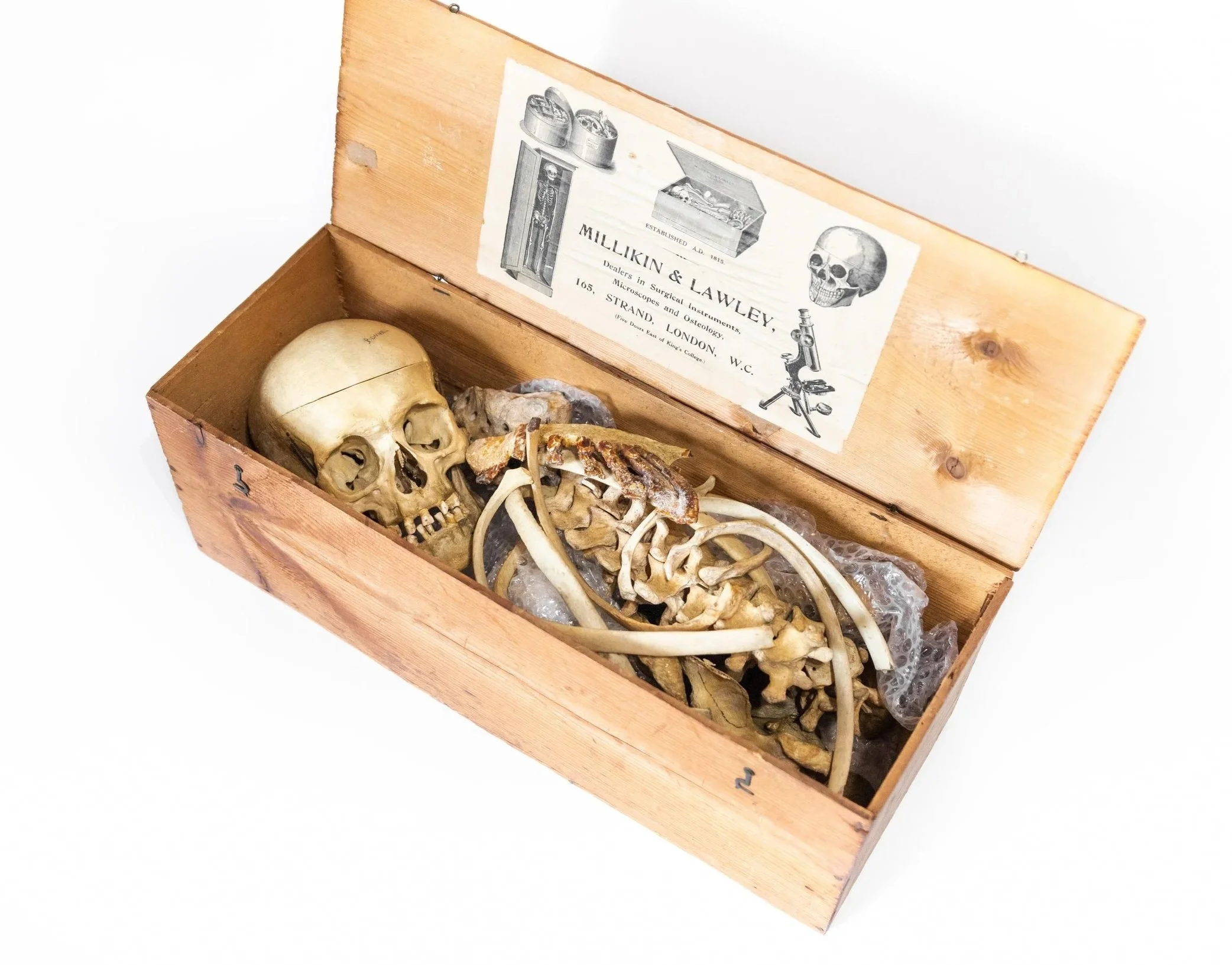
By the mid‑ to late‑1800s, companies that already produced medical supplies, such as microscopes, centrifuges, charts, and anatomical atlases, expanded into the production and distribution of real human skeletons and bones.
By the 1880s and early 1900s, osteological supply companies were operating across:
The United Kingdom
The United States
Continental Europe
Parts of Asia
From the late 1800s until 1985, it was standard, and often mandatory, for medical students to purchase real human bones for their studies. These were not loaned by universities. Instead, students typically bought a half‑skeleton or skull set that accompanied them throughout their education and professional careers.
Because these bones were considered personal property, they were often kept for decades.
The Anatomy Act of 1832
By the early 1800s, medical education was rapidly expanding, and the demand for anatomical material far exceeded supply. Grave robbing continued, and the ethical and public concerns became impossible to ignore.
In 1832, Parliament passed the Anatomy Act, which fundamentally reshaped body procurement for medicine. This law allowed:
The use of unclaimed bodies from hospitals and workhouses
Directed donation from individuals or their families
Formal regulation of osteological specimens
This legislation marked a turning point. It also laid the groundwork for the rise of medical and osteological supply companies.
The Indian Medical
Bone Trade
The Indian medical bone trade is one of the most discussed chapters in the history of osteological supply.
By the 1950s, after gaining independence, India had emerged as the global leader in the export of medical skeletons. A combination of factors contributed to this shift, including a large population, established anatomical infrastructure, and governmental financial incentives that supported the export of skeletal material for medical education abroad. As European and North American supply chains failed to keep up with demand, Indian exporters rapidly filled the gap and came to dominate the international market.
Initially, this trade operated under government regulation, with oversight mechanisms intended to control procurement and export. However, over time, the system underwent significant changes. Financial compensation for the remains of deceased individuals became increasingly normalized, and procurement practices disproportionately targeted lower castes within the Indian caste system, raising profound ethical concerns.
Between the 1970s and 1985, the Indian bone trade was subject to three separate bans, each attempting to curb unethical practices and regulate export. These bans culminated in a total export prohibition in 1985, which effectively dismantled India’s role in the global skeletal export supply chain. Importantly, this ban did not prohibit the continued preparation and use of skeletons within India for medical education and training.
The collapse of India’s export market, marked the beginning of the end of the medical bone trade worldwide. With skeletal supply rapidly diminishing and advances in manufacturing making plastic and synthetic anatomical models widely available, the use of real human skeletons in medical education declined sharply. By the 1990s, remaining skeletal resources had largely been exhausted, and real human bones became obsolete as a standard teaching requirement.
How Bones Enter the Modern World
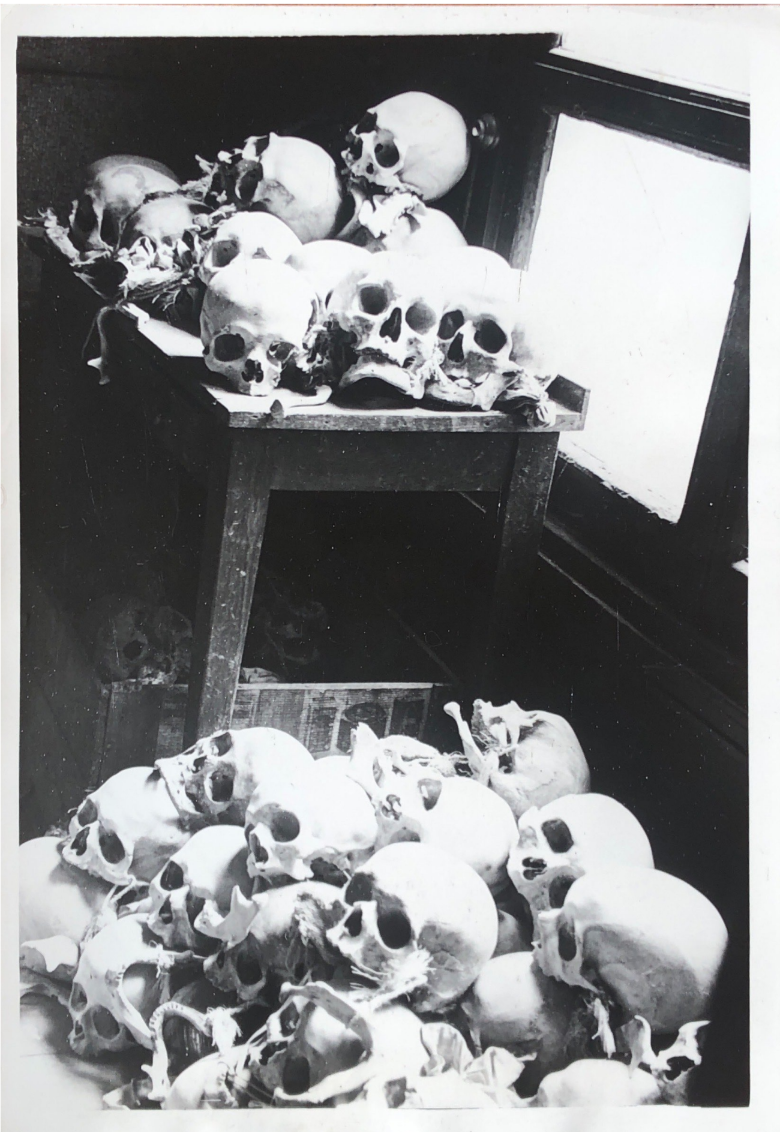
Today, many of those students from the late 19th and 20th centuries have retired or passed away. Their families are now inheriting skeletons, skulls, and individual bones, often with no documentation and no guidance on what to do next.
These remains enter a difficult and often heartbreaking limbo:
Repatriation is usually impossible: The cleaning and preparation processes used in medical bone
production strip most, if not all, viable DNA from the remains.DNA testing, when possible, is prohibitively expensive and rarely provides actionable results.
Burial or cremation is not legally possible without a death certificate.
Many museums cannot accept human remains, particularly modern remains, or are not equipped to house them.
As a result, families are often left with no clear or legal path forward.
Our Role at The Bone Museum
At The Bone Museum, we strive to preserve, study, and educate about the medical bone trade while holding these remains with care and responsibility.
Our collection exists not to sensationalize, but to:
Provide historical context for how medical education evolved
Acknowledge the individuals whose remains were used to train generations of doctors
Preserve these materials until broader, ethical solutions can be developed
We believe that understanding this history is essential to shaping how we handle human remains in the future.
Considering Donation
If you find yourself in possession of human bones, skulls, or medical skeletal material and do not know what to do, you are not alone.
Please do not hesitate to reach out to The Bone Museum.
We are happy to discuss:
The history of the material in your care
Whether donation is appropriate
Ethical and legal considerations
Long‑term preservation options
Our goal is to offer clarity, respect, and stewardship, both for the remains themselves and for the people tasked with caring for them today.
If you have questions or would like to begin a conversation about donation, you can contact us directly via email jon@thebonemuseum.org